Permit and fine guide for Purfleet skip and rubbish use
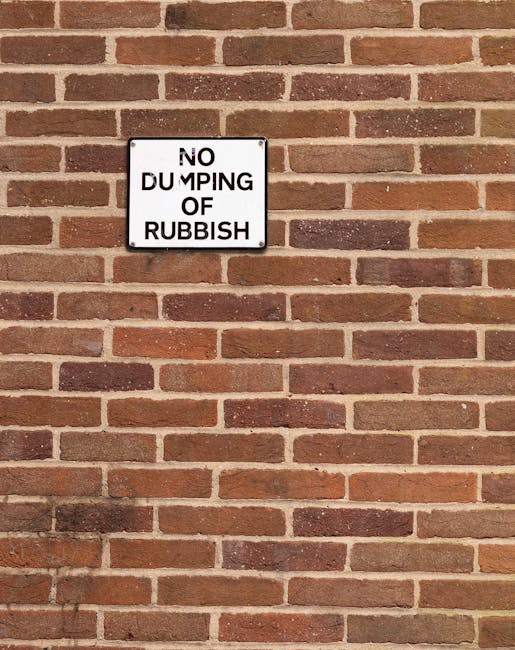
If you are planning a clear-out in Purfleet, the last thing you want is a surprise letter, a fine, or a skip that has to be moved at short notice. The rules around skip placement, road use, and rubbish disposal can feel a bit fiddly, especially when you are already dealing with builders' waste, old furniture, or a garden that has got out of hand. This Permit and fine guide for Purfleet skip and rubbish use breaks it down in plain English so you can stay compliant, avoid unnecessary costs, and get the job done without drama.
Truth be told, most problems come from the same handful of mistakes: placing a skip on a public road without checking permission, overfilling it, mixing restricted materials with general waste, or leaving rubbish out in a way that attracts complaints. We will cover what matters, how the process usually works, where the risks are, and the practical steps that make life easier. No fluff. Just the stuff you actually need.
Why Permit and fine guide for Purfleet skip and rubbish use Matters
Skip permits and rubbish rules are not just paperwork. They affect safety, traffic flow, neighbour relations, and the cost of your project. In a place like Purfleet, where homes, driveways, shared access roads, and busier routes can all sit quite close together, the difference between a smooth collection and a messy one can be as simple as where the container is placed.
If a skip is left on a public road without permission, or waste is dumped in the wrong place, you may face enforcement action, additional fees, or the hassle of arranging a quick fix under pressure. And if it is builders' waste after a weekend DIY push, the odds of overfilling the skip are, let's face it, pretty high. That is when the fine risk starts creeping in.
There is also the reputation side of it. A neat, lawful setup keeps pavements clear, reduces complaints, and makes the whole job look more professional. That matters whether you are a homeowner, landlord, tradesperson, or business owner. A tidy waste plan saves time. Usually money too.
For larger clearances, especially when rubbish is bulky or mixed, it can be easier to explore a full waste removal service rather than trying to manage every container and permit detail yourself. For domestic projects, you may also find the wider home clearance and house clearance pages useful when planning how much waste will actually leave the property.
How Permit and fine guide for Purfleet skip and rubbish use Works
The basic idea is straightforward: if a skip or rubbish load stays entirely on private land, the rules are usually simpler. If it goes on a public road, pavement, or verge, permission is often needed before placement. That is the point where permit questions start.
A skip permit is commonly arranged through the local authority or through the skip provider, depending on how the service is set up. The important part for you is not the admin detail but the outcome: the container is legally placed, visible enough for safety, and used in a way that avoids obstruction.
Rubbish use covers more than just skips. It includes how waste is bagged, stored, separated, loaded, and handed over. A stack of black sacks by the kerb may look harmless on a quiet evening, but if it blocks the footway, attracts vermin, or sits out too long, it can become a problem very quickly. You will notice the difference between "temporary and organised" and "we forgot about this" after a day or two. The latter rarely ends well.
In practice, the process usually looks like this:
- You decide what type of waste you have and roughly how much of it there is.
- You work out whether the container can stay on private land or must go on a road.
- If a permit is needed, you factor in the application time and any conditions.
- You separate restricted items, bulky items, and recyclable materials where possible.
- You keep the load safe, level, and within the agreed limits.
- You arrange collection on time so waste does not overstay its welcome.
If the waste comes from a building project, you may also want to check the guidance for builders' waste clearance. If it is commercial rubbish, the expectations can be different again, and business waste removal may be a better fit than a standard domestic arrangement.
Key Benefits and Practical Advantages
Doing this properly gives you more than peace of mind. It can improve the whole rhythm of your project.
- Lower risk of fines or delays. You are less likely to face enforcement issues if the skip and waste are placed lawfully.
- Cleaner site conditions. A planned waste setup keeps paths, driveways, and access points clearer.
- Better cost control. Avoiding re-delivery, removal, or penalty charges helps protect your budget.
- Safer working environment. Good waste handling reduces trip hazards and sharp debris around the property.
- Less neighbour friction. A tidy, time-limited arrangement is easier for everyone to live with.
- More efficient clear-outs. If you know what waste is going where, the job usually runs faster. Simple as that.
There is also a practical recycling angle. Many customers now want to know that furniture, garden waste, and mixed household items are being handled with care. If that matters to you, it is worth reading about the company's recycling and sustainability approach before you book anything. That way you are not guessing.
Expert summary: The safest waste plan is usually the one that is planned before the skip arrives, not after it is already full. Decide on location, waste type, collection timing, and any permit need first. Then act. It sounds obvious, but you would be surprised how often people reverse the order.
Who This Is For and When It Makes Sense
This guide is for anyone in Purfleet who is dealing with waste in a way that could involve public access, bulky disposal, or permit-sensitive placement. That includes homeowners, renters, landlords, tradespeople, office managers, and anyone in the middle of a clearance that has grown arms and legs.
You may need this most when:
- you do not have enough private space for a skip or waste bay,
- the rubbish is too much for normal bins,
- you are clearing a loft, garage, garden, or entire property,
- you are removing renovation waste from a job site,
- you need to avoid blocking neighbours, visitors, or delivery access,
- you are unsure what can legally go into a skip.
For example, if you are clearing a loft after years of storage, you may find that the waste is a mix of cardboard, broken furniture, old electricals, and bags of odd bits you had forgotten existed. That kind of job is exactly where planning matters. A smaller project might be handled neatly through a loft clearance, while a much bigger one might call for a full furniture clearance or furniture disposal plan if heavy items are involved.
Gardens are another common trigger. Soil, branches, turf, and old fencing can fill a skip shockingly fast. If that is your situation, the garden clearance service area may fit better than trying to juggle loose waste bags one by one.
Step-by-Step Guidance
1. Identify the waste type
Start by sorting the waste into broad categories: general household rubbish, mixed bulky items, garden waste, builders' waste, furniture, and anything potentially hazardous. That first sort tells you how much space you need and whether anything needs specialist handling.
2. Check the placement location
Ask a very basic question: will the skip or waste pile sit on private property, or will it touch public land? Driveways are often easier. Roads and pavements are where permit checks become essential. If access is tight, measure it. People often eyeball it. That's how the wrong-size skip ends up causing a headache by Tuesday morning.
3. Confirm whether a permit is likely needed
If the container is on public land, assume a permit may be required unless you have clear confirmation otherwise. Factor in lead time. Do not leave this to the last minute, especially if your project starts on a Friday and you want the waste gone by Monday.
4. Choose the right service route
Not every job needs the same solution. Domestic clear-outs, office moves, and construction waste all behave differently. A small room clearance is not the same as an end-of-lease business job. For office-related waste, the office clearance option is often a better match than a generic skip drop-off.
5. Load the waste safely
Keep heavy materials low, do not overfill above the rim, and avoid unsafe stacking. Loose rubble and timber can shift. Wind and rain do their own thing too, especially in British weather, which can turn a decent setup into a damp nuisance overnight.
6. Remove restricted items separately
Certain items often need separate handling or prior approval. This can include electricals, fridges, tyres, liquids, chemicals, plasterboard, and some construction materials. If you are not sure, ask before loading. A five-minute check can save a much longer problem.
7. Arrange collection promptly
Once the container is full, book collection as soon as possible. Waste left sitting around tends to spread. Bags move, lids flap, and what started as a tidy arrangement becomes a bit of a local landmark. Not the good kind.
Expert Tips for Better Results
After enough clear-outs, a few patterns become obvious.
Tip 1: Always overshoot on time, not on load. If you think the job will take one day, allow one and a half. If you think the skip will be full, plan for a little spare capacity. Rushing leads to poor stacking and avoidable repeat collections.
Tip 2: Keep a "do not mix" pile. That means anything sharp, wet, electrical, or awkward goes into a separate zone until you know what to do with it. It sounds fussy. It is fussy. But it works.
Tip 3: Protect access routes. A bit of board or temporary covering can help prevent damage on driveways and narrow paths, especially if the waste is heavy. It's one of those small things people only appreciate after the fact.
Tip 4: Photograph the skip or waste area before and after loading if you are managing a larger property or shared access. That can help if there is ever a question about condition, timing, or placement.
Tip 5: If your rubbish comes from a multi-stage clearance, consider doing it in phases rather than all at once. For instance, start with a garage clearance, then tackle storage areas, then finish with household items. The job feels less overwhelming. And yes, the dust still gets everywhere.
Common Mistakes to Avoid
- Ignoring permit requirements. If the skip is on a road or verge, do not assume it is fine because "it will only be there for a bit."
- Overfilling the skip. This is a common one. It can create safety issues and collection problems.
- Mixing restricted waste with normal rubbish. That can lead to extra charges or refusal of collection.
- Leaving waste out too early. Bags left on the pavement for days can attract complaints and create mess.
- Choosing the wrong clearance type. A flat, office, home, or business job each has different practical needs.
- Forgetting about access. A skip in the right place is still a problem if it blocks bins, doors, or delivery routes.
- Not checking sustainability options. Some items can often be reused, diverted, or recycled rather than treated as mixed waste.
A lot of problems are boring, preventable ones. That is the annoying bit. But it also means they are easy to avoid once you know what to watch for.
Tools, Resources and Recommendations
You do not need a van full of gadgets to manage waste well, but a few practical tools make a noticeable difference.
- Measuring tape: useful for driveways, access gates, and skip footprint checks.
- Gloves and sturdy footwear: basic, but worth saying. Sharp edges appear at the worst time.
- Heavy-duty sacks or bins: helpful for sorting lighter rubbish before loading.
- Labels or marker pens: handy for separating keep, recycle, donate, and dispose piles.
- Phone camera: useful for documenting access conditions and loaded waste.
- Simple checklist: keeps everyone on the same page, especially if more than one person is helping.
As for service choices, it helps to compare the job type before booking. A house with mixed bulky waste may suit house clearance or home clearance, while a tenant moving out of a smaller property may be better served by flat clearance. If the waste is mainly office furniture and documents, the right route is different again.
If payment terms, booking conditions, or service expectations matter to you, it is sensible to review the site's terms and conditions and payment and security information before you commit. That is not being cautious for the sake of it. It just avoids awkward surprises.
Law, Compliance, Standards, or Best Practice
Waste handling in the UK is governed by a mix of legal duties, local rules, and good practice expectations. You do not need to memorise everything, but you should understand the broad principles.
First: waste should be stored, transferred, and disposed of responsibly. That means not fly-tipping, not blocking public access, and not putting dangerous materials into a general waste load.
Second: if a skip or waste container is placed on public land, permission may be needed. The exact process can vary by local authority and contractor setup, so confirm the arrangement before delivery.
Third: duty of care matters. In plain English, that means the person producing the waste should take reasonable steps to make sure it is handled properly. If you are a business, the expectation is typically stricter in practice because records, segregation, and disposal standards are more closely watched.
Fourth: safe working practices are part of compliance too. That includes keeping loads stable, avoiding obstruction, and not creating hazards for pedestrians, neighbours, or workers.
For businesses and commercial landlords, it is also wise to look at the provider's insurance and safety information and health and safety policy. A service can look fine on the surface and still be a poor fit if it does not take safety seriously. Nobody wants that mid-job wobble.
And one more thing: if you are managing a commercial clearance, have a look at the wider business waste removal guidance so the waste plan matches the scale of the work. That small bit of preparation often saves a lot of back-and-forth later.
Options, Methods, or Comparison Table
Different jobs need different waste solutions. Here is a simple comparison that may help you decide.
| Option | Best for | Main advantage | Main caution |
|---|---|---|---|
| Skip on private land | Driveways, yards, off-road spaces | Usually simpler, fewer permit concerns | Needs enough space and safe access |
| Skip on public road | Homes with limited private space | Flexible for awkward properties | Permit may be needed and timing matters |
| Manual bagged rubbish set-out | Small clearances or staged jobs | Quick for light waste | Can become untidy or obstructive if left too long |
| Full waste removal service | Mixed, bulky, or time-sensitive loads | Less handling for the customer | Needs accurate description of the waste |
| Specialist clearance service | Furniture, lofts, garages, gardens, offices | More tailored handling | Choose the right service for the job |
If you are stuck between options, think about three things: space, waste type, and urgency. Those three usually decide it. Not always, but usually.
Case Study or Real-World Example
A typical Purfleet scenario might look like this: a family is clearing a house after a long period of storing furniture, boxes, broken toys, and a few bags of renovation debris from a hallway project. At first, they think one skip on the road will solve everything. Once they start sorting, though, they realise the pile includes heavy wardrobes, damp cardboard, old shelving, and garden cuttings from the side passage. Suddenly the job is bigger than expected.
They check the driveway, but a vehicle still needs access. They look at the road option, realise a permit may be involved, and decide to split the job into two phases. First comes the furniture and household waste. Then the garden and leftover bits go out separately. It feels slower at the start, but the whole project ends up cleaner and less stressful.
That kind of decision is common. People often think the right answer is "one bigger skip." Sometimes it is. Sometimes it is not. If the access is tight or the waste types are mixed, a staged plan is often the better call.
In our experience, the calmest jobs are the ones where the waste plan matches the property, not the other way round.
Practical Checklist
- Identify the waste type before booking anything.
- Measure the space where the skip or waste area will go.
- Check whether the container will sit on private land or public land.
- Allow time for any permit or approval process.
- Separate restricted items, sharp waste, and recyclables.
- Keep the load below the rim and stable.
- Make sure access routes stay open and safe.
- Plan collection before the waste becomes a nuisance.
- Review service terms, payment details, and safety information.
- Use a clearance method that fits the actual job, not just the cheapest guess.
If you are clearing a property with multiple areas, it can help to break the work into rooms or zones. For example, start with the loft, then the garage, then the garden. One space at a time. Small victories count.
Conclusion
The main lesson from any permit and fine guide for Purfleet skip and rubbish use is simple: plan early, place waste correctly, and do not assume the rules will sort themselves out. A little preparation avoids fines, delays, and awkward conversations with neighbours or contractors. It also makes the whole job feel less chaotic, which is no small thing when you are standing in a room full of bags and old furniture at 8am on a Saturday.
Whether you are tackling a house, flat, garden, garage, loft, office, or building project, the right waste approach saves time and stress. Keep the load safe, check the placement, and choose the service that fits the size of the job. That is the steady, sensible path. And honestly, it usually works best.
Get a free quote today and see how much you can save.
When you are ready to move from planning to action, a straightforward conversation and a clear waste plan can make the whole process feel much lighter. That is often the moment people breathe out properly.
Frequently Asked Questions
Do I need a permit for a skip in Purfleet?
You usually need to check permit requirements if the skip will sit on a public road, pavement, or verge. If it stays fully on private land, the rules may be simpler, but it is still worth confirming before delivery.
What happens if I put a skip on the road without permission?
You may face enforcement action, removal costs, or a fine. The exact outcome depends on the situation, but it is not something to risk casually.
Can I put any rubbish into a skip?
No. General household waste, furniture, and many renovation items are often fine, but some materials need separate handling. Electricals, liquids, chemicals, tyres, and certain construction waste can be restricted.
How do I know if my rubbish is classed as builders' waste?
If it comes from repairs, demolition, plastering, renovations, or site work, it is usually treated as builders' waste or mixed construction waste. If you are not sure, describe the load clearly before booking.
What is the safest way to avoid fines for rubbish use?
Keep waste on your own land if possible, use the right container, do not overfill it, and do not leave rubbish in a way that blocks public access or creates a mess.
Is a driveway skip always better than a road skip?
Usually, yes, because it often avoids permit issues. But it only works if the driveway has enough space and the property can still function safely while the skip is there.
How long can rubbish be left out for collection?
That depends on the service arrangement and local expectations. In general, the shorter the better. Waste left out for too long can become untidy, unsafe, or a nuisance.
What should I do with old furniture before disposal?
Check whether items can be reused, sold, or removed as part of a furniture clearance. If the items are bulky or awkward, booking a dedicated furniture disposal service is often easier than trying to break everything down yourself.
Can businesses in Purfleet use the same waste rules as households?
Not always. Businesses usually need to be more careful about duty of care, waste classification, and record keeping. A commercial clearance plan is often the safer route.
How do I choose between skip hire and waste removal?
If you have space and can manage the loading yourself, a skip may suit you. If you want less lifting, quicker turnaround, or a more hands-off approach, waste removal can be the better option.
What if my property is a flat or has limited access?
Limited access often changes the best method. A flat clearance, staged collection, or a smaller-volume solution may work better than a large skip that blocks shared areas.
Where can I check service details before booking?
It is sensible to review the company's pricing, payment, safety, and terms pages before confirming anything. That gives you a clearer picture of what is included and what to expect.
If you need a bit more background on the company itself, you can also read the about us page or use the contact us page to ask practical questions before you book. For transparency around site use and data, the privacy policy, cookie policy, and accessibility statement are also there if you want them.